Fact Check
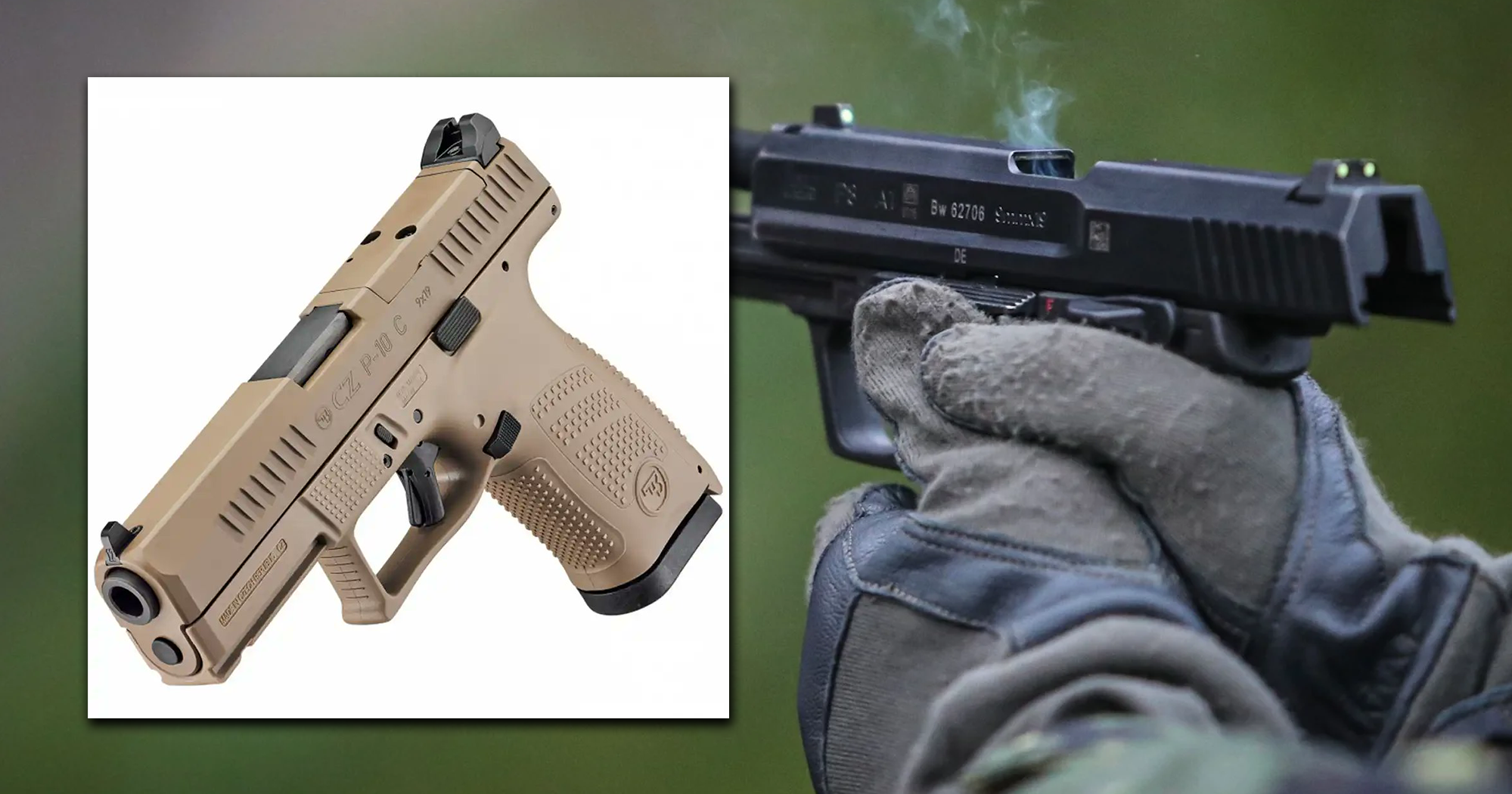
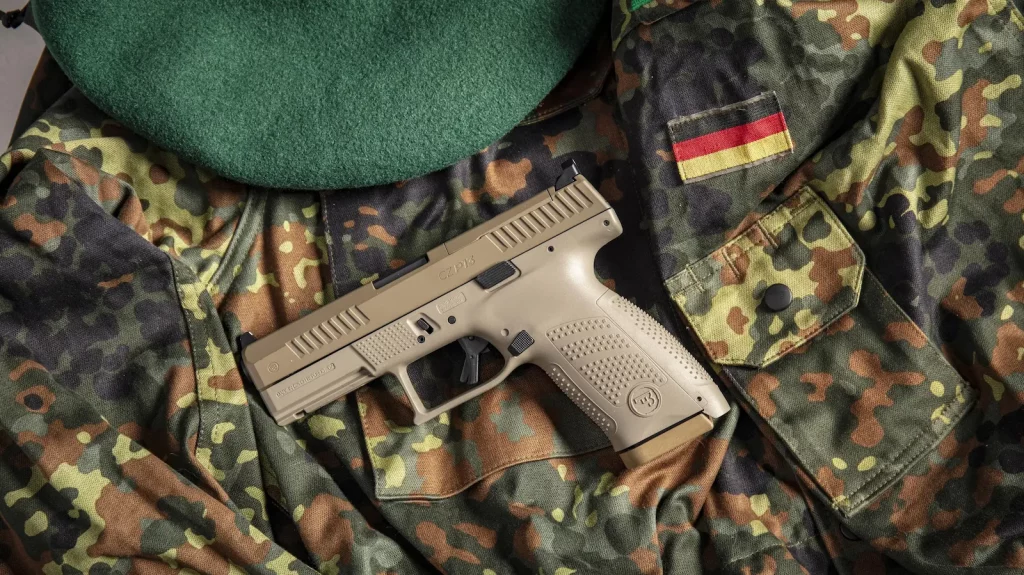
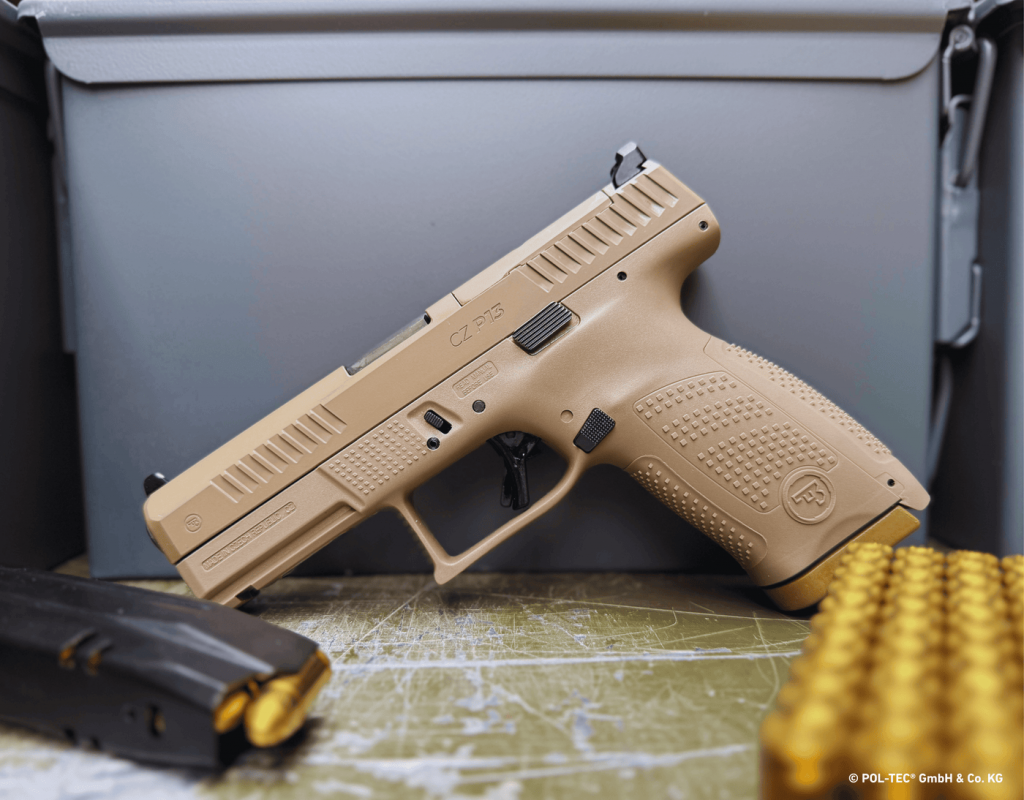
The Bundeswehr is transitioning to a modern pistol platform, replacing its longtime service sidearm, the Heckler & Koch P8, with a new Czech-built design designated the P13. The P13 is based on the CZ P-10 C OR (Optics-Ready) compact pistol — a modern striker-fired 9 mm handgun — and marks a significant upgrade in ergonomics, modularity, and optics integration for German forces.
Join us today for a quick “technical comparison” of both sidearms if you’re into this topic and want to learn more about.
Background
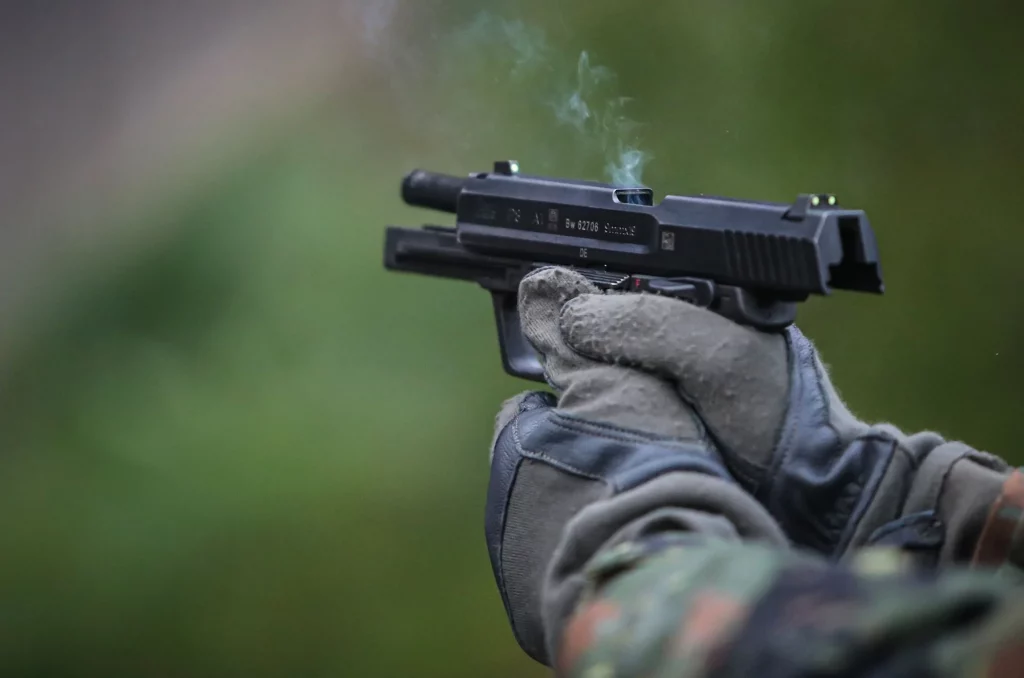
- HK P8: Introduced into Bundeswehr service in the early 1990s, the P8 is a military variant of the Heckler & Koch USP 9×19 mm pistol. It was Germany’s standard pistol for decades and remains a reliable, traditional design.
- Bundeswehr P13 (CZ P-10 C OR): Under the Bundeswehr’s “Pistole querschnittlich (P13)” program, the Czech CZ P-10 C OR was selected to replace the P8 as the modern service pistol. It features an optics-ready slide and is tailored to meet contemporary soldier requirements.
Design Philosophy
Operating System
- P8: Hammer-fired, double-action/single-action (DA/SA) system derived from the USP design.
- P13: Striker-fired system delivering a consistent trigger pull and simplified manual of arms, common in modern service pistols.
Frame & Ergonomics
- P8: Polymer frame with steel slide; traditional grip and control layout.
- P13: Polymer frame with interchangeable backstraps and an ergonomically sculpted grip optimized for modern mission profiles. The optics-ready slide facilitates red-dot installation without gunsmithing.
Sights & Optics
- P8: Traditional iron sights; no user-friendly optics cut.
- P13: Built with an optics-ready slide, allowing quick installation of mini-red-dot sights — a major advantage for fast target acquisition.
Specs at a Glance
| Feature | HK P8 | CZ P-10 C OR (P13) |
|---|---|---|
| Role | Service pistol (standard sidearm) | New service pistol (standard sidearm) |
| Origin | Germany (Heckler & Koch) | Czech Republic (CZ) |
| Action | Browning recoil-operated, DA/SA | Striker-fired |
| Frame | Polymer/metal hybrid | Polymer |
| Caliber | 9×19 mm Parabellum | 9×19 mm Parabellum |
| Capacity | 15 + 1 | 15 + 1 |
| Barrel Length | ~108 mm | ~102 mm |
| Optics Ready | ❌ no | ✅ yes (OR cut) |
| Sights | Iron sights | Iron sights (optic-ready plate) |
| Weight | ~770 g (empty) | ~760 g (empty) |
| Ergonomics | Traditional DA/SA controls | Modern striker-fired with interchangeable backstraps |
| Modularity | Low | High (OR + modular grip) |
Operational Impact
The move from a DA/SA system to a striker-fired platform standardizes training and reduces the complexity of transitions between pistols in mixed units, especially those already using striker-fired designs. Modern optics readiness enhances target acquisition, especially in low-light or close-quarters environments. The modular grip and improved ergonomics also help improve shooter comfort and consistency across diverse hand sizes.
In summary, while the P8 served reliably for decades, the P13 represents a step forward in modularity, optics integration, and modern pistol ergonomics tailored to today’s tactical and training realities.
Bundeswehr >> www.bundeswehr.de
!! SUPPORT THE TROPPS !!